
The Impact of Storms on New Jersey's Power Infrastructure
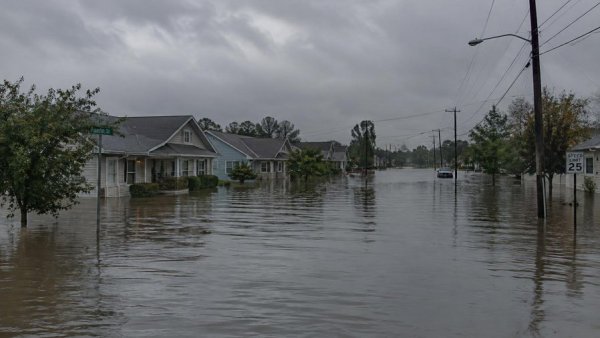
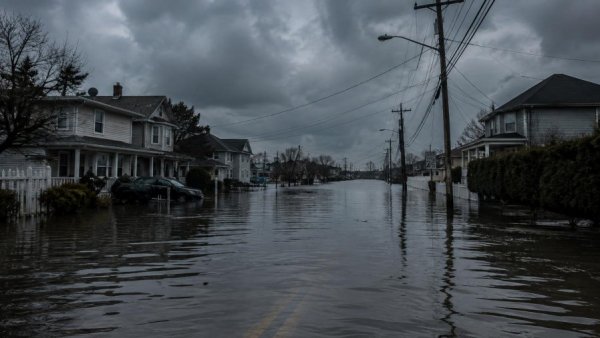
This week, a powerful storm wreaked havoc across New Jersey, leading to nearly 180,000 power outages. As residents in Sussex County, including Andover Borough and Franklin Borough, grapple with disrupted services, the state’s major electric utilities, including JCP&L, have been thrust into action.
Utility companies reported vast outages with JCP&L alone accounting for approximately 140,000, and the ongoing restoration efforts are facing challenges. According to company spokesperson Chris Hoenig, safety remains a priority, which may extend the time it takes to restore power.
Understanding the Restore Process
The restoration of power after such extreme weather conditions involves multiple steps. Utility companies must first evaluate the damage to their infrastructure, which can include downed power lines and damaged substations. Crews are not only employed to fix these issues but also must navigate potentially dangerous conditions. The priority is often given to restoring power to critical facilities and emergency services before residential areas.
Local Safety Measures and Community Response
The storm's aftermath emphasizes the importance of community preparedness. Local governments in towns such as Sparta Township and Hopatcong Borough are stepping up measures to ensure the safety of their residents. Emergency shelters are being set up to provide temporary refuge for those without power, while resources are mobilized to assist affected communities.
What Residents Can Do
For residents of Sussex County and beyond, preparation can make a significant difference during such outages. Keeping emergency supplies on hand, including flashlights, batteries, and non-perishable food items, is crucial. Additionally, residents are encouraged to stay informed about restoration efforts through local news advisories and utility company updates.
Future Trends in Power Restoration
As climate patterns evolve and storms become more severe, it’s imperative that utilities adapt their infrastructure to minimize downtime in power restoration. This includes investing in more resilient power lines and better technology for quicker diagnoses of outages. The commitment to innovating solutions may not only enhance recovery efforts but could also shape how communities adapt to future storms.




Write A Comment