
Transitional Taxation: A Boon for NJ Transit
New Jersey has seen an influx of hundreds of millions of dollars through a temporary transit tax driving the much-needed funding for NJ Transit. Established as part of efforts to stabilize the state's transit system, the corporate surcharge levied on top-earning businesses has quickly proven advantageous. With over $765 million earmarked this fiscal year, the impact on NJ Transit’s $3.5 billion operating budget is undeniable. According to advocates, including Peter Chen from the New Jersey Policy Perspective, the dedicated funding is a ‘win-win’ for New Jersey, sustaining public transport vital for both commuters and the economy.
Legislative Discontent: Calls for Repeal
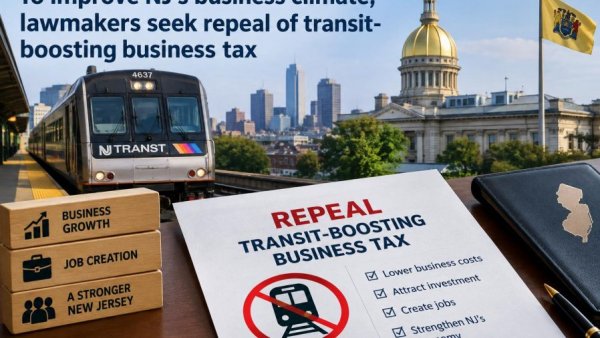
However, not everyone is on board with this crucial funding source. Republican lawmakers, wary of New Jersey's business-friendly reputation, are pushing for an early repeal of the transit fee. They argue that with business taxes among the highest nationally, the surcharge poses a disadvantage in attracting and retaining employers. Senator Michael Testa of Cumberland County emphasizes the urgency, lamenting that such taxes could push companies to relocate, further straining the state’s economy.
The Balancing Act: Business Needs vs. Transport Funding
The conversation around the corporate transit fee highlights a broader dichotomy in state policies—balancing essential services with economic competitiveness. While transit advocates argue for the necessity of the fee to maintain robust public transportation, opponents draw attention to the potential consequences for businesses struggling to thrive under a heavy tax burden.
Future Perspectives: What Lies Ahead for NJ
As New Jersey policymakers grapple with this contentious issue, the question remains: what will be the long-term consequences of slashing the transit tax? If the fee is repealed, will the state’s transit infrastructure suffer, or can a compromise be reached to protect both business interests and essential transit funding? Will any new measures ensure sustainable revenues to keep public transport from falling short? This ongoing discussion is not just about taxes; it's about the future of public services that underpin the state's economic health.
Final Thoughts: A Call for Unified Solutions
In navigating the complexities of taxation and public service funding, New Jersey stands at a crossroads. Residents and business leaders alike must engage with their representatives to find solutions that address budgetary needs without compromising economic growth. A collaborative approach could lead to innovations that simultaneously generate revenue and foster a thriving business environment.





Write A Comment