
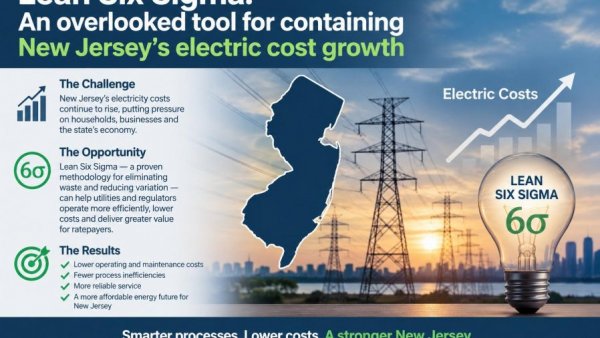
Harnessing Lean Six Sigma for Efficient Energy Development in New Jersey
New Jersey's position within the PJM Interconnection region—a hub for managing electricity supply for over 65 million people—offers a unique opportunity to rethink how the state approaches its energy infrastructure projects. With rising electricity demands initiated by trends such as data center expansions and widespread vehicle electrification, the state can use innovative methods like Lean Six Sigma (LSS) to streamline processes and cut down costs effectively.
Understanding Lean Six Sigma
Lean Six Sigma combines two powerful methodologies focused on enhancing efficiency while minimizing waste. This strategic approach isn't just for manufacturing; it can significantly benefit energy project development in New Jersey. Recognizing inefficiencies in processes can lead to quicker project turnaround times, alleviating cost pressures and supporting energy reliability goals.
Why Delay Costs More
Each month a project is delayed compounds its costs, affecting rates for consumers and potentially crippling project viability. By emphasizing LSS, policymakers can alleviate common bottlenecks responsible for extended development timelines—from site selection and permitting to public engagement and interconnection coordination. Every step that can be optimized means less time—and money—spent, ultimately benefiting consumers across Northern NJ.
Five Key Phases of Energy Development
The development of energy projects typically passes through five phases, each offering opportunities for LSS interventions:
- Site Selection & Project Feasibility (6-12 months): Implement unified roadmaps and pre-development meetings to clarify requirements.
- Environmental Review & State Permitting (12-24 months): Set permit cycle targets and standardize requirements to streamline the permit issuance process.
- Local Planning & Public Engagement (6-18 months): Design template processes for municipalities to simplify reviews and foster earlier public engagement.
- PJM Interconnection & Utility Coordination (12-36 months): Enhance collaboration and tracking through shared dashboards to monitor project status.
A Collective Opportunity
Adopting Lean Six Sigma practices in energy project development allows New Jersey to harness its full potential, directly impacting the reliability of electric supply across the whole region. Through community engagement and cooperation, state agencies can facilitate expedited electricity infrastructure improvements without sacrificing environmental accountability.
As New Jersey continues to navigate the challenges of energy demand and reliability, embracing LSS principles can transform local energy projects into examples of efficiency that resonate beyond the state. It’s imperative for stakeholders—from policymakers to private developers—to join forces in this initiative.




Write A Comment