
New Jersey's Opioid Settlement: A Call for Equitable Distribution
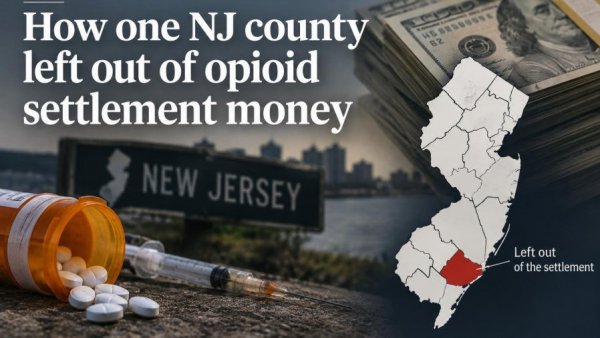
As New Jersey's overdose crisis shows signs of easing, with a notable drop in overdose deaths from 2,985 in 2022 to 1,992 in 2024, the focus shifts to the distribution of opioid settlement funds. This financial allocation is critical in preventing further deaths. However, Essex County's experience highlights critical disparities in funding allocation, prompting significant questions about the effectiveness and fairness of the settlements.
Unpacking the Disparities in Opioid Settlement Distributions
Despite Essex County recording 1,087 overdose deaths from 2022 through 2024—the highest in New Jersey—the county received only about $10.6 million in opioid settlement payments during this period. This amounts to roughly $9,800 per overdose death, a stark contrast to Bergen County, which received approximately $29,000 per death. Such discrepancies raise concern about whether funds are directed to the areas most affected by the crisis, further emphasizing the need for a closer examination of allocation processes.
The Impact of Slow Fund Distribution
The slow rollout of settlement funds adds to the urgency of the situation. Essex County has only allocated about $3.2 million since 2022, with previous reports showing that roughly $70 million remains unspent statewide. In this context, it becomes clear that the mere existence of funds is not enough; efficient and strategic deployment is essential to address the ongoing overdose crisis effectively.
Recommendations for Improvement
To ensure that funds are effectively utilized, New Jersey should take actionable steps. First, the Department of Human Services needs a thorough geographic assessment comparing overdose deaths and corresponding settlement money distribution across counties. Allocations should prioritize areas like Essex, which suffered significantly while receiving minimal support. Second, state engagement with local governments should be strengthened, focusing on crafting timely strategies that align funding with urgency based on local needs. With the right approaches, New Jersey can considerably enhance its fight against opioid addiction and save lives.
As the state government prepares for future funding cycles, equitable distribution should not just be a goal but a mandate. Through data-informed decision-making and strategic planning, New Jersey can ensure that the support reaches those who need it most—before it's too late.





Write A Comment