
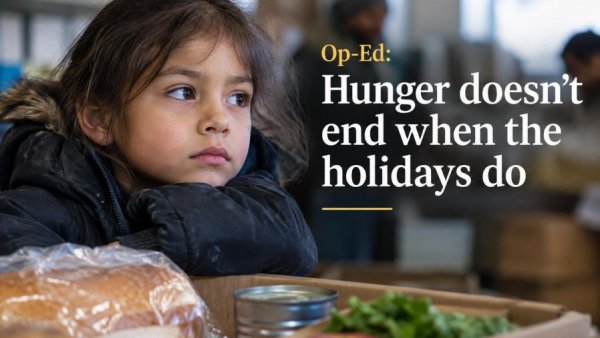
Understanding the Ongoing Hunger Crisis Beyond the Holidays
As Thanksgiving casts its shadow, many families in New Jersey face food insecurity, not just during the festive season, but throughout the year. With essential expenses like housing, utilities, transportation, and childcare squeezing budgets, the reality is stark: the cumulative cost of living often forces families to make heartbreaking decisions about where to cut back. For a growing number of households in Monmouth and Ocean Counties, meals have become a luxury rather than a staple.
The Rising Need for Food Assistance
Currently, approximately 150,000 people rely on the network of food pantries and assistance programs through Fulfill each month—an uptick that is nearly threefold since the pandemic began. Economic pressures, combined with stagnant wages, have put immense strains on working families and individuals living on fixed incomes. If unexpected expenses arise, such as a missed work shift or a car repair, food often becomes the item sacrificed in an already tight budget.
The Role of Federal Support
Compounding the issue, recent changes to federal nutritional assistance programs like SNAP have made it even harder for families to gain and maintain benefits. Increased paperwork and fluctuating job hours can lead to a sudden loss of assistance, further exacerbating the reliance on charitable food networks. While food pantries step up to fill the gap, they cannot replace the extensive support SNAP provides; one meal from these networks stands in stark contrast to the nine meals offered through SNAP. This is a pressing reminder of the significance of federal nutrition programs in the fight against hunger.
The Impact of Legislative Changes
Legislation like the upcoming Farm Bill presents a vital opportunity for Congress to act on these issues. Ensuring that SNAP benefits keep pace with rising food costs is essential, as is removing bureaucratic barriers that prevent struggling families from receiving support. Additionally, enhancing The Emergency Food Assistance Program (TEFAP) will solidify the food supply for pantries, which are currently grappling with growing demand and reduced government commodities. The current shortfall in TEFAP—down 15% from two years ago—demonstrates the urgent need for legislative action.
Call to Action: Support Your Local Community
This holiday season, it’s crucial to recognize that hunger doesn't have a season. Support local food pantries and soup kitchens through donations or by volunteering time. Engaging with community efforts makes a meaningful difference in fighting hunger, not just during the holidays but all year long. Furthermore, advocating for stronger federal nutrition assistance policies, such as the Farm Bill, is imperative. Contact your representatives to urge them to take action; together, we can support vulnerable families and help ensure food security for all.





Write A Comment